Call us now +40 721241027


Ce-si doresc femeile de la branduri?
Tendinte in culori si design
Raluca a spus ca femeile sunt primele care adopta culorile in tendinte, asa ca e interesant de urmarit modul in care acestea pot influenta comunicarea unui brand. Topul Pantone, o autoritate in domeniul culorilor, ofera o directie importanta creatorilor de branduri pentru ca desemneaza culoarea care defineste fiecare an, in functie de cat este de folosita de designerii de moda in colectiile lor. Iar daca va intrebati, 2013 este anul smaraldului. Smaraldul transmite energie, finete si pretiozitate si e un must sa fie inclus in design-ul unei game largi de produse: de la ambalaje de cosmetice la logo-uri de brand si pana la piese de mobilier, texturi si imprimeuri. Mai mult, 2013 este un an al produselor handmade, confortabile, usor de depozitat.
Culorile in tendinte sunt influentate si de trendsetteri, iar Raluca a oferit exemplul Primei Doamne a Americii, Michelle Obama, care la o ceremonie din 2009 a purtat o rochie de culoarea smaraldului. O multime de designeri au preluat modelul imediat dupa, iar smaraldul a ajuns cea mai dorita culoare cativa ani mai tarziu.
Insight-uri strategice pentru brand-urile adresate femeilor
Cand creeaza ambalajul unui produs, designerii trebuie sa aiba in vedere 5 elemente. Culoarea e punctul de plecare, dar nu e suficient sa alegi rozul sau o culoare asociata in general cu feminitatea, ci lucrurile trebuie privite mai in amanunt, iar culoarea trebuie sa raspunda unor dorinte ale target-ului. Forma este la fel de importanta, femeile privind-o ca pe un beneficiu al produsului. Trebuie pus accentul pe confort, pe usurinta depozitarii si a manevrarii. Simbolurile trebuie incluse pe ambalaj pentru ca transmit semnale de siguranta si incredere despre produs, dar si un grad mai mare de recunoastere la raft. Numele produsului trebuie sa fie usor de retinut, sa fie din categorie, adica produsul sa fie asociat cu o anumita categorie, dar si sa fie inregistrabil intr-un organism precum OSIM, astfel fiind protejabil. Mesajul transmis prin ambalaj trebuie sa vorbeasca despre valoarea brandului la modul idealist, dar totodata sa surprinda beneficiul diferentiator oferit de produs.
Raluca a vorbit in prezentarea ei si de un top 7 al celor mai importante insight-uri strategice de care trebuie sa tina cont brand-urile care se adreseaza femeilor.
1. Nu exista “o piata pentru femei”, exista “o piata pentru femeile carora te adresezi tu”. Din punct de vedere socio-demografic si cultural, femeile sunt diferite. E important ca piata sa fie segmentata, iar brandurile sa comunice cu femeile din target, nu cu toate femeile. Un exemplu de reusita in acest sens este campania producatorului de articole sportive Salomon, Trail Tour, care prezinta femei practicand sporturi montane imbracate in echipamentele brandului. Target-ul este clar definit aici: femei interesate de sport, care au nevoie de produsele respective.

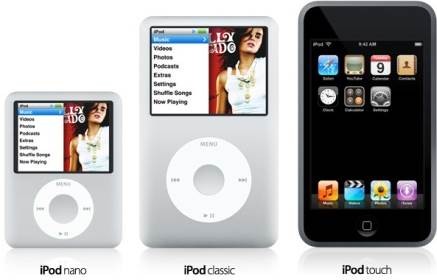
2. Un brand generalist nu trebuie sa creeze produse special pentru femei daca produsele actuale se preteaza si pentru ele. Aici exemplul vine din partea Apple, ale carui gadget-uri au un design unisex, care nu are nevoie de imbunatatiri ca sa se adreseze si femeilor.
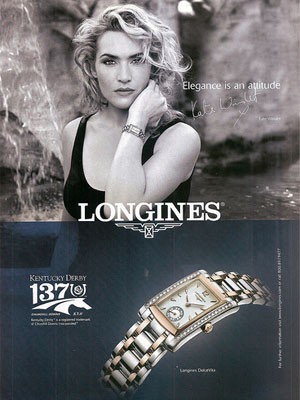
3. Comunica valoarea produsului, nu beneficiile functionale. Femeile sunt interesate mai degraba de ce statut le poate oferi un produs decat de modul in care acesta functioneaza. Un exemplu pozitiv este cel al campaniei producatorului de ceasuri Longines, a carui imagine este actrita Kate Winslet: Eleganta e o atitudine.
4. Femeilor nu le scapa nimic si prefera brandurile etice, care nu comit greseli pe parcursul comunicarii. Un exemplu de “asa nu” este Body Shop, care in momentul cand a decis sa vanda produse de la L’Oreal, o companie cunoscuta ca face teste pe animale, a fost boicotat de clientele sale.

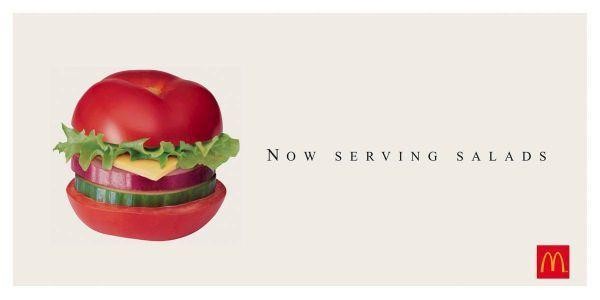
5. Brandurile trebuie sa respecte femeile, sa le faca sa se simta speciale, sa le ofere ceva in plus. Un brand foarte atent la astfel de detalii este McDonald’s, care creeaza campanii adresate femeilor pe baza unor chestionare completate de cliente. Campania “Find the woman inside the mom” a dus la lansarea Salatelor Premium si a catorva optiuni mai sanatoase pentru Happy Meal, dar si la extinderea restaurantelor cu spatii de joaca si zone de internet gratis, toate fiind cerinte ale femeilor.
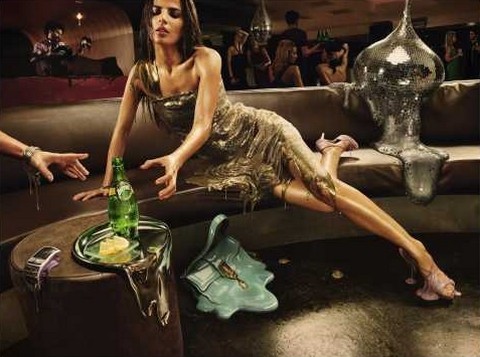
6. Brandurile nu trebuie sa se fereasca de standardele inalte. Produsele pe care le utilizeaza femeile trebuie sa le ofere acestora siguranta unui statut inalt, iar brand-urile nu trebuie sa se fereasca sa comunice asta. De exemplu, o campanie pentru Perrier prezinta sticla de apa ca fiind invincibila intr-un univers care se topeste.
7. Brandurile trebuie sa implice femeile in comunicarea lor, sa se deschida catre ele. Un exemplu grozav este cel al campaniei LVMH Open Days: Les Journees Particulieres, prin care o multime de producatori de lux au invitat clientii in atelierele lor.
Sumar din prezentarea sustinuta in cadrul evenimentului iQads/Smark “Ce-si doresc femeile de la branduri.”
4iulie 2013
http://www.smark.ro/articol/26402/ce-si-doresc-femeile-de-la-branduri

7 sfaturi despre cum să-ți construiești corect un Brand
Tehnicile moderne de construire a brandurilor se bazeaza pe activarea simturilor prin implicarea directa a consumatorilor si a noilor tehnologii
Trecem printr-o perioada in care multe business-uri se lupta cu vremurile, se inventeaza sau se reinventeaza. Si pentru ca de cele mai multe ori, brandul reprezinta de fapt buisness-ul in sine, tot mai multe branduri isi cauta locul in mintea si inima consumatorilor.
Obiectivul ownerului de business este ca prin intermediul brandului sa obtina valoare adaugata pentru compania sa, pentru clienti sai si pentru angajati. Pentru asta ei trebuie sa descopere brandul si ce ar putea el sa devina analizand perceptiile despre business ale clientilor si eventual ale prospectilor. Esenta business-ului trebuie suprinsa simbolic in logo, iar tendintele in designul de logo merg acum catre minimalism, simplitate si usurinta de a fi implementat pe diverse materiale si suporturi de comunicare.
Brandul vostru reprezinta business-ul vostru.
Iata cateva sfaturi pentru antreprenorii aflati la primul contact cu brandingul:
- Aflati ce ESTE brandul vostru si ce Nu este. Un brand NU este un logo. Un brand NU este un produs. “Un brand este o idee sau un concept unic perceput de mintea si inima consumatorului”, cum spunea Al Ries, celebru expert in maketingul brandurilor.Un brand este o promisiune de business, promisiunea unor beneficii si a unor valori punctuale pentru consumator. O promisiune esentiala si relevanta pentru consumator si diferita fata de ce promit competitorii. Este suma tuturor experientelor si perceptiilor in legatura cu business-ul si brandul asociat lui. Este acel ceva ce ramane in mintea si inima clientilor existenti, a partenerilor si a prospectilor.
- Evaluati corect industria/piata in care activati. Descoperiti oportunitatile si amenintarile.Care din acestea sunt relevante pentru viitorul business-ului?
- Pozitionati-va corect in cadrul industriei in care activati. Descoperiti-va punctele tari si punctele slabe, astfel vom putea descoperi potentialul real si relevant al business-ului.
- Aprofundati brandul actual. Aflati unde este brandul azi, care sunt perceptiile interne (fondator, echipa management, angajati) si externe (competitie, clienti, parteneri strategici).
- Imaginati-va cum va arata brandul in viitor, ganditi brandul pe termen lung. Unde doriti sa fie maine, peste un an, peste 5-10 ani?
Brandurile puternice sunt construite pe autenticitate si relevanta, pe valori, pasiune si viziune. Succesul business-ului depinde de ceea ce promiteti clientilor si ceea ce stiti sa faceti cel mai bine.
- Primiti noul brand in business-ul vostru. Un brand nou trebuie integrat in arhitectura portofoliului de produse al organizatiei, este parte din sistemul organizatiei, din arborele genealogic al unei mari familii. Noua identitate vizuala si mesajele (manualul de brand sau brand guidelines) cu care vine inzestrat noul brand trebuie communicate si adoptate in tóate materialele de prezentare, la nivel de business, angajati, clienti si parteneri de business in scopul de a servi obiectivului initial al brandului, acela de a aduce valoare adaugata business-ului.
- Acordati importanta si vizibilitate noului brand.
Profitati de prospetimea noului brand. Este o experienta motivanta si puternica, de aceea trebuie comunicata atent, prin toate mijloacele posibile, in mod unitar si coerent. Prin personalizarea produselor si serviciilor cu noul logo, slogan sau mesaje din cultura organizatiei, prin traininguri cu angajatii, prin decorarea sediului sau a punctelor de contact cu clienti sau partenerii. Orice angajat poate fi la randul sau ambasadorul noului brand.
Experienta cu noul brand trebuie construita cu grija, si nu trebuie neglijata odata ce noua identitate a fost creata. Trebuie evitate mesajele neconsistente, prea multe aglomerari de mesaje, o atitudine neglijenta, ezitanta sau graba in procesul de creare a experientei cu noul brand.
Un alt aspect important este sa privim brandurile ca pe niste fiinte vii, cu simturi similare celor umane cu care noi oamenii putem rezona cu usurinta. „Brandingul senzorial este relativ nou in Romania, insa avem sperante ca reintoarcerea la valorile de baza se va reflecta si in modul in care managerii viitorului vor construi brandurile, cu bugete rezonabile si masurabile. Tehnicile moderne de construire a brandurilor (ex. stiinta Neuromarketingului ce analizeaza modul in care consumatorii iau inconstient majoritatea deciziilor de cumparare) se bazeaza pe activarea simturilor prin implicarea directa a consumatorilor si a noilor tehnologii pentru a integra brandurile in viata de zi cu zi a oamenilor. Vorbim aici in special de brandurile dedicate direct consumatorilor, branduri de retail si din domeniul tehnologiei pentru care este vital sa suprinda audienta printr-un impact puternic vizual, auditiv si olfactival al spatiilor comerciale de vanzare.” Raluca Vasile, MBA, Msc, Creative Brand Strategist& Fondator Smartbrand Consulting – prima agentie de branding din Romania specializata in branding senzorial.
BIO
Raluca VASILE, MBA, Msc
12+ ani experienta in strategie de marketing, comunicare si brand management atat la client, in companii precum: Porsche Leasing, BMW Group, Volksbank,Cetelem-BNP Paribas Group , cat si de consultant de brand in agentia specializata de branding Smartbrand prin care aduce un concept nou, unic de branding senzorial pe piata din Romania: branding senzorial. Domeniile de expertiza sunt variate: automotive, banking, food&beverages, IT, retail, pharma, etc.
Instructor acreditat la MBA-ul City University Seattle, modulul: Strategic Brand Creation and Management incepand cu 2011.
Pasionata de comunicarea strategica de brand si design de interior, avand expunere pe proiecte de anvergura premiate la nivel local si international: rebranding, campanii de advertising si comunicare interna, decor de magazine, vitrine, standuri de prezentare branduite, evenimente de brand aniversare, dar si activari experientiale/ senzoriale, office branding si space branding.
Interviu revista Cariere 2013.
Sfaturi pentru managerii si antreprenorii care construiesc un brand sau se rebranduiesc. SI despre branding ca instrument de business, nu ca simpla poleire de imagine.
http://www.cariereonline.ro/articol/7-sfaturi-despre-cum-sa-%C8%9Bi-construie%C8%99ti-corect-un-brand

12 Strategies to Increase your Personal Brand
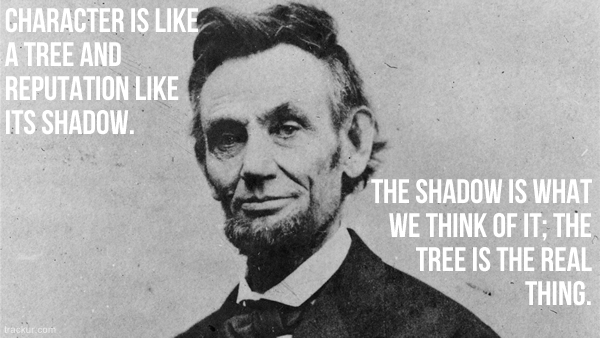
“Character is like a tree and reputation like its shadow.
The shadow is what we think of it; the tree is the real thing.” Abraham Lincoln
For personal branding without basic branding criteria based cannot be a common practice , as your personal brand is more than image, PR, media exposure, is more than an empty shell. Your personal brand means uniqueness, values, essence, relevance, reliability and consistency. Positive reputation comes only as a result of the manifestation of authentic personal brandand of the consistency of both what you say and do. Role models must change in Romania and the time has come.
Personal Branding should mainly answer to two questions:
- What would be the three attributes that you want to develop in the coming period?
- In what way do you think they could contribute to increase the value of your personal brand?
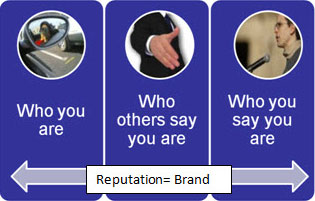
Here are some branding techniques that can increase the value of your personal brand :
1 . Expertise – what it is that you do best?
The more accurate, more precise, more competent your knowledge in your field is the more value you can create.
2 . Positioning as an expert – are you known by your audience?
It’s not enough just to know things, but it ‘s important be perceived by the others ( your audience , customers, partners) as an expert .
3 . Skills – how do you apply what you know?
One thing is to know how to swim in theory and another to know how to swim for real. And the more applicability you give to your knowledge, the more value you have .
4 . Productivity – what you finish, what you bring to an end?
5 . Efficiency – how you did the things you brought to an end?
What resources and how did you optimize the resources to achieve the objectives .
6 . Effectiveness – selection of opportunities , the existing options
How well you focused on achieving goals , how you prioritized their implementation.
7 . Organization multiplier – how do you get different results other than through your own, manual work?
8 . Influencing – what can you to influence others ?
What a leader you are and how persuasive you are.
9. Relationship – who you know?
The network you have access to matters enormously , 90% of prosperity comes from networking.
10 . Celebrity – how well you are known in your industry?
11 . Reputation – what others know about you?
It’s not enough to be famous – it takes your celebrity to be positive.
12 . Vision – what you see that others don’t?
Shifting to customer relationship brand management
Many marketers (and their advertising agencies) still cling to mass communication as the foundation or backbone of their brand building efforts. In the new era of big data and powerful technologies for connecting with customers, marketers must shift their focus from building brands to building customer relationships.
Never before have marketers had such powerful technologies at their disposal to connect and build lasting customer relationships. And never before have customers / consumers / users been able to interact so deeply with brands, and each other in their communities, to influence the very development of the products and services they engage with. Yet despite this sea change, most marketing organizations are structured pretty much the same as they have always been. Many have not fully grasped the paradigm shift from building brands to building customer relationships. This may explain the short job resistance of most CMOs.
To succeed in the interactive digital age of Big Data and transformative technology, marketers much shift their focus from counting transactions to maximizing the lifetime value of their customers. This means profitability of brands will be less important than the profitability of customers.
Planting Seeds And Harvesting Customer Relationships
What separates an old-school marketing organization from a customer-driven organization is one is organized around activities that sell brands, while the other is designed around activities that serve customers and customer segments. In these transformed marketing organizations, marketing communications is nearly a real-time dialogue, hyper-targeted to thinner slices of customer segmentation. Enlightened marketers have unimaginable access (from abundant sources) to rich customer data, enabling them to be more deliberate and proactive in their tactics for making a customer driven strategy pay off.
Most marketing organizations are still organized around the principle of selling rather than serving.
Serving customers in highly relevant ways requires you to know them and their behavior essentially on a personal level. Competitive advantage is not about features and functions in ever-cheaper products, rather it will be based in serving customers in ways that are unexpected and highly valued. Customer driven marketing organizations are structured to engage narrow segments with two-way communications designed to build trusted relationships through products or services that customer’s will value most at any given time. The customer is at the center of the universe with brands organized around them rather than the conventional model of customers organized around the brand. NPS, a very used brand equity indicator is based on measuring relationship quality and customer satisfaction level.

Brand Positioning answers the question “Where is my product in this campaign?”

Positioning a brand with exact precision is job one of every marketer, brand manager or brand strategist. If brand positioning of a brand in a category means finding the differentiator, marketing strategy means finding programs to sell that brand to target audience. The link between these two is the relevant brand storytelling inspired by positioning.
The point where brand positioning and brand storytelling intersect is where the real magic happens.
In any category, scarcity is a valued commodity. If your product or service brand is not highly valued and in abundant supply from a variety of competitors, you better have the lowest price. Of course, in a crowded category, any price will be perceived as too high. Let that not be your brand, let the brand storytelling charm your audiences and your brand be perceived as worth the added value.
Find the unique emotional differentiator
I’m of the opinion most of the time brand positioning is ignored because marketers are unfocused and lose themselves in a multitude of competitive functions and features instead of one unique emotional benefit, so storytelling becomes promotional copywriting and ubiquitous ad campaigns.
Telling a compelling brand story to the right audience is much more than ad copywriting and attention getting, it’s building an aspirational story on a brand idea (differentiator).
It’s always better to create “new value” rather than compete for the value created by others.
People have to emotionally connect before they engage with the promise of the brand. This means the brand story must connect and resonate deep within the mind. Of the thousands of brands introduced into the marketplace each year, only a handful will meet this challenge and grow to become the next generation icons in the culture.
Remember: Your brand is your business!
Raluca Vasile, MBA, Msc
Strategy Director
Smartbrand –Sensory Power
Strategic Branding, Communication and Design Agency, specialized in sensory branding

Brands are memorable sensory delights
Everyone knows what a successful brand looks like, but creating a new brand that resonates and has chemistry with the public is challenging to say the least.
1. Branding is about people
Good branding starts with people, they are influenced by entrepreneur’s personality and business vision and principles and ultimately exists because they respond to emotional needs and aspirations of consumers. People need reasons to buy or use, as humans we need to feel part of something bigger. Brands need strong guiding principles at the very heart of everything they do. Consumers are armed with knowledge, education and technology and we play a very active role on the course of these brands.
2. Design is not the only consideration
Good design plays an integral role but design only doesn’t make a brand. Design is one more ingredient that combined with humanity, intelligence and science make for a great and more engaged experience.
The pleasure of recognising a logo and its promise delivered makes it for satisfaction to both the brand and the consumer. The visual language should continue the conversation in a consistent manner.
Event promotion
3. Branding is a two-way process
It’s easier to love a brand when the brand loves you back. Traditional marketers think of the consumers as robotic entities. But when the consumer/provider relationship becomes a two-way street there’s room for greater growth, there’s a sense of consideration and care.
4. Brands matter
Brands are personality and uniqueness therefore they add value, they provoke interest, have tremendous economic and social influence.
5. Brands are a matter of context
The message is not the brand, branding creates context. By investing in the brand and creating appropriate
context, the effectiveness of your messaging, advertising and communications campaign – and, by extension, your budget – is greatly enhanced and the chance of your targeted consumer actually acting on your message is substantially improved. Thus your campaign spend goes the extra mile over that of your competitor’s.
6. Branding is content
Content, such as promotional material, is critical to the success of a branding project, but brands cannot create masses of content and expect their message to resonate. content excellence’ is key to delivering stories that take on a life of their own through the consumer to the level that consumers actively participate in the story from the start.
7. Branding is also a journey
Branding does not follow a clearly defined path, brands need to walk along consumers to find its own destination and a place in the consumers minds and hearts, a special resonance that makes brands unique, alive and memorable sensory delights. The stronger the friendship with the consumer, the more powerful the brand.
Raluca Vasile, MBA. Msc
Creative Brand Strategist, storyteller, blogger, reader, lecturer, speaker, explorer of sensory experiences, curious, fair and thorough German spirit, passionate about healthy food and transformational journeys